Menopause is not a disease—it’s a natural transition in a woman’s life.
But for many women, it doesn’t feel “natural.”
Hot flashes, mood swings, poor sleep, fatigue, weight gain…
These changes can feel overwhelming, especially when hormones fluctuate rapidly.
Many turn to Hormone Replacement Therapy (HRT). While it can be helpful for some, others are looking for a more natural, food-based approach to support their body during this phase.
🌿 Understanding Menopause from a Body Perspective
During menopause, estrogen levels decline.
This affects:
- Body temperature regulation (hot flashes)
- Mood and emotional balance
- Sleep quality
- Energy levels
But beyond symptoms, there’s something more important many women overlook…
⚠️ Menopause & Increased Risk of Chronic Diseases
With the drop in estrogen, the body loses some of its natural protective effects.
This means women may become more prone to certain chronic conditions:
❤️ Cardiovascular Disease
Estrogen helps protect the heart and blood vessels.
After menopause:
- Cholesterol levels may rise
- Blood vessels become less flexible
- Risk of heart disease and stroke increases
🦴 Osteoporosis
Estrogen plays a key role in maintaining bone density.
After menopause:
- Bone loss accelerates
- Bones become weaker and more fragile
- Risk of fractures increases
🔥 Metabolic Changes
Many women notice:
- Weight gain (especially around the abdomen)
- Slower metabolism
- Increased risk of insulin resistance
💡 This is why menopause is not just about managing symptoms—
it’s about protecting long-term health.
⚖️ What About Hormone Replacement Therapy (HRT)?
Hormone Replacement Therapy can be effective, especially for severe symptoms. It works by replacing estrogen (and sometimes progesterone) in the body.
However, like any medical treatment, it comes with potential risks and side effects—especially depending on individual health history and duration of use.
🚨 Possible Side Effects of HRT
- Breast tenderness
- Bloating and fluid retention
- Headaches
- Nausea
- Mood changes
⚠️ Potential Long-Term Risks (for some individuals)
- Increased risk of blood clots
- Higher risk of stroke
- Possible increased risk of breast cancer (depending on type and duration)
- Increased risk of heart disease in certain groups
💡 Important note:
HRT is not one-size-fits-all, and should always be discussed with a qualified healthcare professional.
💟Can Diet improve the Discomforts that one experiences during menopause?
Yes. Studies have pointed out that consuming a large amount of plant foods reduces and prevents the various discomforts and diseases that may arise during menopause.
In particular, women going through perimenopause should eat more plant foods that are rich in phytoestrogens and high in vitamin C, which is vital for tissue repair and calcium absorption.
Physical and emotional stress triggers adrenaline synthesis and secretion, which can deplete the body's store of vitamin C.
This, in turn, suppresses immune response.
Therefore, it is important to eat more plant foods containing vitamin C.
It is also vital to consume more plant foods that are rich in calcium, dietary fiber, and plant-based protein.
👉What is the difference between phytoestrogens and animal-based estrogen?
Phytoestrogens are found in wholesome plant foods.
These foods contain many different antioxidants and phytochemicals, are cholesterol-free, and help to prevent all kinds of diseases and cancers.
Animal-based estrogen, on the other hand, is found in animal-based foods.
Animal-based estrogen is high in cholesterol and calories and is more likely to cause cancer and cardiovascular disease.
🌱 Key Plant Ingredients That Support Menopause
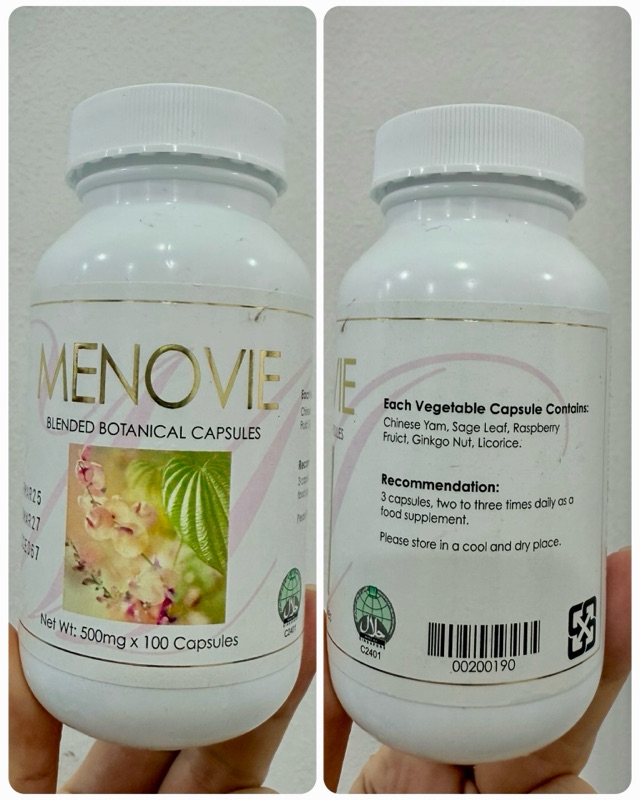
Here are some powerful plant ingredients that support menopause :
🌾 1. Chinese Yam (Shan Yao)
- Helps nourish the reproductive system
- Traditionally used to ease fatigue and night sweats
- Supports overall hormonal balance
🌿 2. Sage Leaf
- Helps reduce excessive sweating (hot flashes)
- Supports nervous system and overall balance
🍇 3. Raspberry
- Supports hormonal harmony
- Rich in antioxidants for cellular health
🌳 4. Ginkgo Biloba
- Supports circulation and mental clarity
- Helps with focus and mood
🍯 5. Licorice Root
- May help reduce hot flashes
- Supports adrenal health during stress
As a quality convenience:
You can get these ingredients in E.EXCEL MENOVIE
💗Is a healthy lifestyle helpful for menopause?
Yes. Exercising regularly, moderating sun exposure, avoiding high blood pressure, keeping a cheerful disposition, managing body weight, and stopping smoking and alcohol consumption are all helpful for a happier life during menopause.
In addition, it is important to consult a healthcare professional promptly for advice and treatment if you experience discomfort.
💛 A More Empowering Way to Age
Menopause is not the end of vitality—it’s a new phase of wisdom.
When we nourish the body with the right:
- Nutrition
- Plant compounds
- Lifestyle habits
We don’t just manage symptoms—
we protect our future health.
For more info, welcome to contact me @ +65- 9090 9942
Regards,
Joselyne
Excellence Lifestyle Coach | Nutritional Immunology Consultant
+65 - 9090 9942
IG: JoselyneMeiHwa
